Automate the Follow-Up Without Sounding Robotic

Most leads do not convert on the first interaction. In fact, many prospects require multiple touchpoints before they make a decision. The problem is that most businesses either fail to follow up consistently or rely on automated messages that feel cold and generic.
Automation should increase consistency and speed without sacrificing authenticity. When follow-up systems are designed correctly, they allow businesses to maintain personal communication at scale while ensuring no opportunity slips through the cracks.
The key is building automation that supports human connection instead of replacing it.
Why Follow-Up Automation Matters for Lead Conversion
Speed and consistency are critical in modern digital marketing. When a prospect submits a form, requests a quote, or downloads a resource, their interest is at its highest point. Delayed responses often lead to lost opportunities.
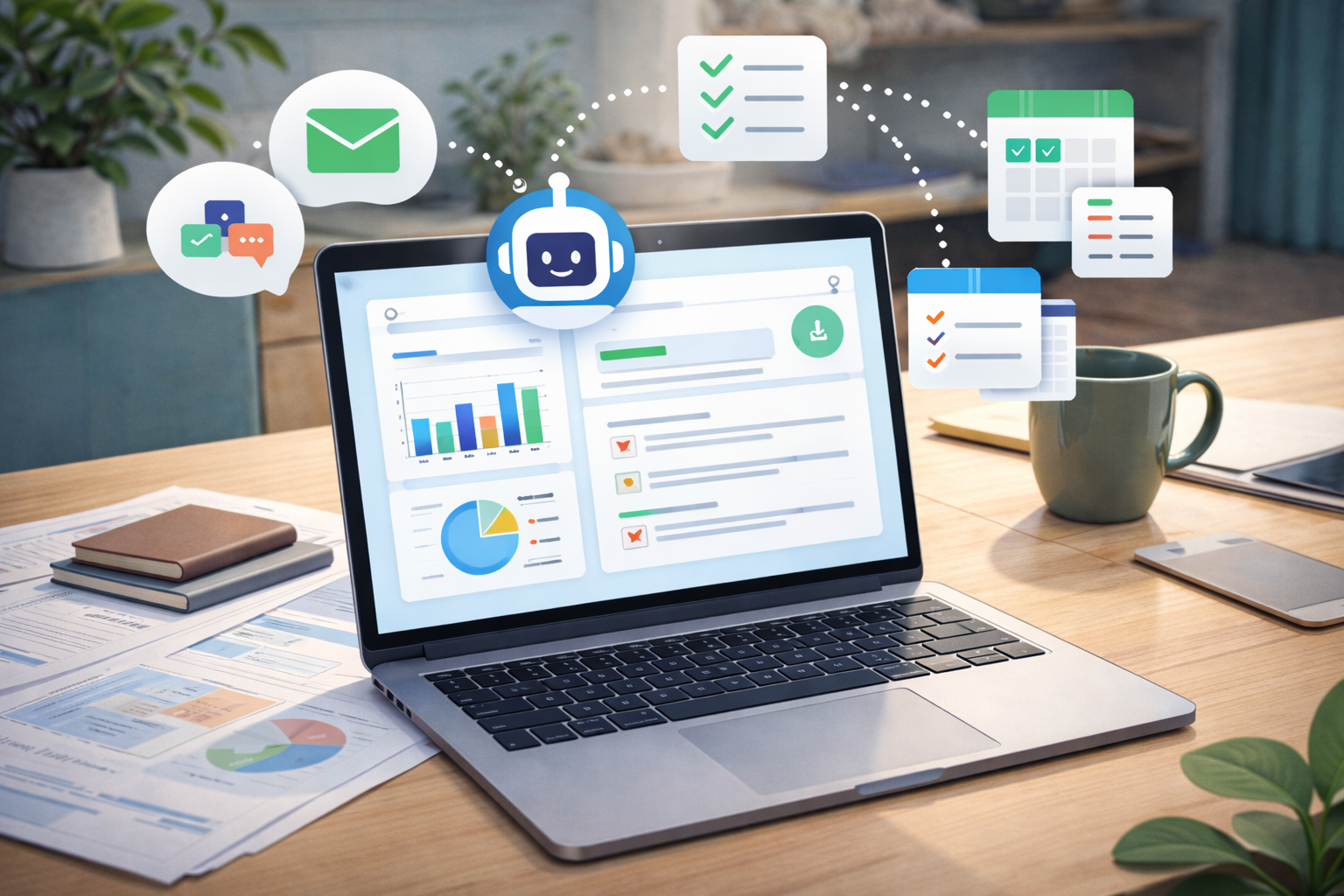
Automated follow-up systems ensure that every lead receives immediate acknowledgment and continued communication. This structure helps businesses maintain engagement while the prospect evaluates their options.
Automation also removes the operational burden of manual outreach. Instead of relying on staff to remember each lead interaction, systems trigger messages automatically based on behavior, timing, or funnel stage.
The result is better response times, improved lead nurturing, and higher conversion potential.
Why Most Automated Follow-Ups Feel Robotic
Many automated follow-up campaigns fail because they rely on rigid scripts that ignore context. These messages often look like templated emails with generic greetings, vague value statements, and repetitive reminders.
Prospects recognize these patterns immediately. When communication feels automated, trust declines and engagement drops.
Common problems with robotic follow-ups include:
• Overly scripted language that lacks natural tone
• Identical messaging sent to every lead regardless of interest level
• Poor timing that ignores user behavior
• No transition from automation to human interaction
Automation should create the appearance of thoughtful, responsive communication rather than mass messaging.
Design Follow-Up Systems Around Real Conversations
Effective automation mirrors the way real conversations unfold. Instead of sending a series of identical reminders, follow-up messages should guide prospects through a logical sequence of information.
The first message should acknowledge the inquiry and set expectations. Later messages can provide helpful insights, address common objections, or invite further engagement.
Each step in the sequence should feel purposeful and relevant.
For example, a prospect who requested pricing information may receive a confirmation message immediately, followed by a short explanation of the service process, and then a reminder that assistance is available if they have questions.
This progression creates a natural flow that feels less like automation and more like attentive communication.
Use Behavioral Triggers Instead of Fixed Timelines
Traditional follow-up campaigns rely on rigid schedules such as sending messages every three days. While this approach maintains consistency, it ignores how prospects actually interact with content.
Modern automation platforms allow businesses to trigger follow-ups based on behavior. For example, a message can be sent when a prospect opens an email, visits a pricing page, or watches a video.
Behavioral triggers create relevance. When communication responds to the prospect's actions, the conversation feels more natural and timely.
Instead of repeating the same message sequence for every lead, behavioral automation adapts to the prospect's journey.
Personalization That Goes Beyond First Names
Many marketing platforms promote personalization through simple token replacements such as inserting the prospect's name. While this technique can help, meaningful personalization requires deeper context.
True personalization uses available data to tailor communication. This might include referencing the service requested, acknowledging the prospect's location, or highlighting the problem they are trying to solve.
When automation reflects the prospect's specific needs, it feels more like a continuation of the initial interaction rather than a generic marketing campaign.
The goal is to demonstrate awareness of the prospect's situation without making the message overly complex.
Know When Automation Should Hand Off to Humans
Automation should not handle every stage of communication. Its primary role is to maintain engagement until a meaningful conversation begins.
At certain points in the funnel, the system should prompt human interaction. This might occur when a prospect replies to a message, requests additional information, or visits key pages on a website.
A well designed system alerts sales or service teams when these signals appear. The human response then builds on the automated groundwork that has already established trust and context.
This handoff ensures prospects never feel trapped in an automated loop.
Structure Your Follow-Up System for Consistency
A disciplined follow-up process ensures every lead receives the same level of attention. Instead of relying on manual outreach that varies by employee or workload, automation creates a repeatable framework.
This structure typically includes an initial response, a sequence of educational touchpoints, and clear invitations for direct communication.
When built correctly, automated systems operate quietly in the background, supporting staff while maintaining consistent engagement with prospects.
Businesses that implement structured follow-up processes often see improved response rates and more predictable lead conversion.
Automation as a Force Multiplier for Small Teams
For many businesses, especially those with lean teams, automation provides the operational leverage needed to compete with larger organizations.
Instead of hiring additional staff to manage follow-up tasks, companies can rely on automated workflows to maintain communication across hundreds or thousands of leads.
This approach allows team members to focus on high value activities such as strategy, sales conversations, and client service.
Automation handles the repetitive work while humans handle the relationships.
Why Businesses Work With Tactical Boost Digital
Tactical Boost Digital approaches marketing automation with a disciplined, systems driven mindset. Every workflow is designed with a clear objective, measurable checkpoints, and logical communication sequences.
Rather than deploying generic automation templates, Tactical Boost Digital builds follow-up systems tailored to each client's audience and sales process. The goal is simple - maintain consistent engagement without sacrificing authenticity.
By combining structured marketing frameworks with real world business insight, Tactical Boost Digital helps companies turn scattered lead responses into coordinated follow-up systems that drive measurable results.
Build a Follow-Up System That Works While You Focus on Growth
If your business is generating leads but struggling to maintain consistent follow-up, the problem is not interest - it is process.
Tactical Boost Digital helps organizations implement disciplined automation systems that keep prospects engaged while preserving a natural, human tone.
Contact Tactical Boost Digital today to develop a follow-up strategy that ensures every opportunity is handled with precision, consistency, and professionalism.
Ready to work with Tactical Boost?
Let's connect! We’re here to help.
Send us a message and we’ll be in touch.
Or give us a call today at 725-240-0304
REQUEST A NO COST BRIEF:
More Marketing Tips, Tricks & Tools